Paver repair and leveling for Cape Coral homes
Sinking, rocking and spreading pavers have a cause. A matched local installer finds it before resetting anything, so the fix lasts.
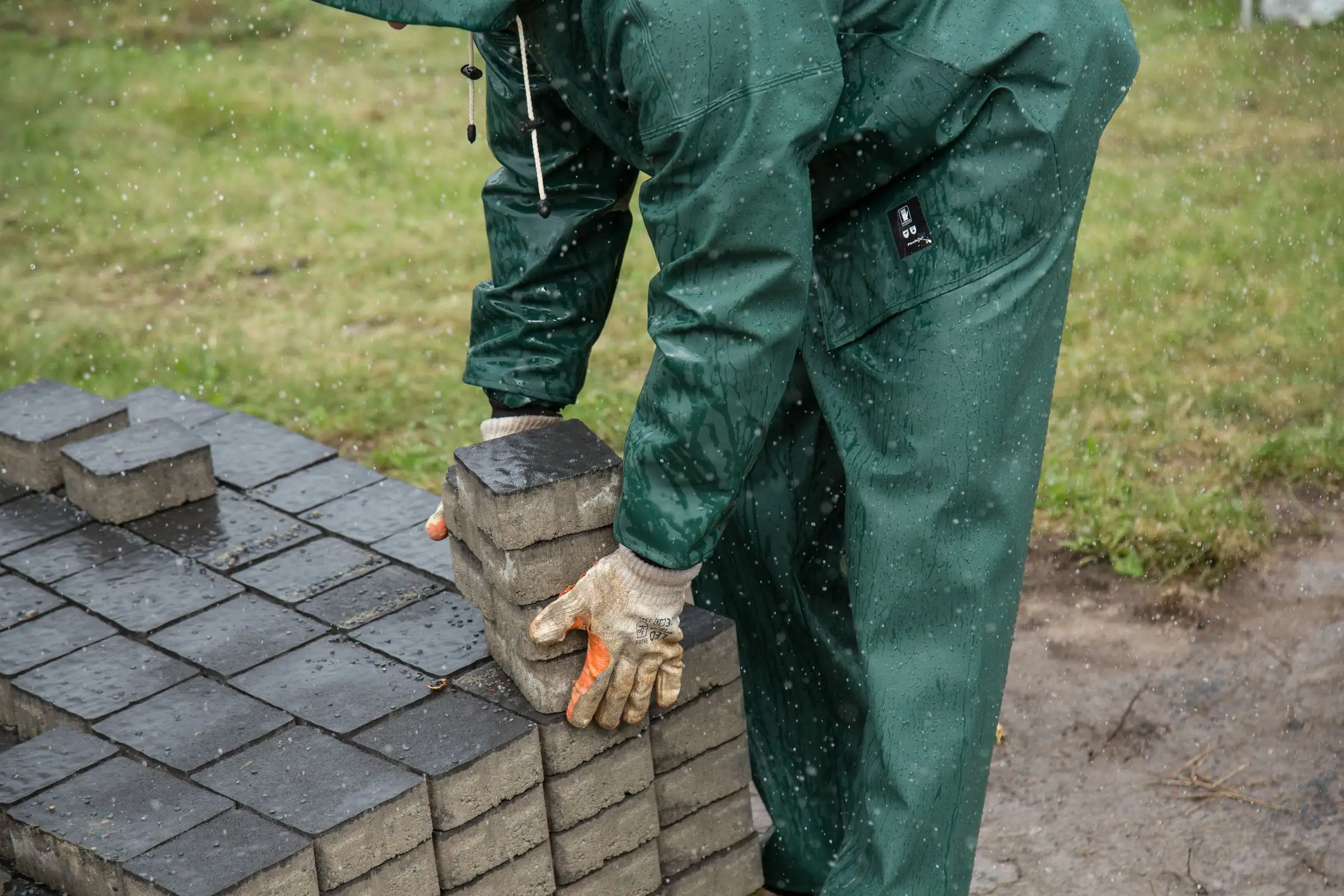
Repair and leveling
Repair and leveling is a side service on this site, for homeowners whose existing paver surface has sunk, rocked, or spread at the edges. The service matches homeowners in Cape Coral with local installers who take repair work, and those installers visit, lift the affected area, fix the cause, and reset the pavers. Repair is different from sealing. Sealing protects a sound surface. Repair fixes a surface that has already failed in one place, and sealing should come after repair, not instead of it.
Sinking points to the base
Sinking usually points to a base problem. Water, soft ground, a broken irrigation line, or a base that was too thin can all let pavers settle. Rocking usually points to a bedding or joint problem, where a paver is no longer supported evenly. Spreading at the edges usually points to failed edge restraint, where the field has pushed outward into grass or mulch. Each cause needs a different fix, and a repair that only resets the top pavers without fixing the cause will fail again in the same place.
Check the whole area first
A repair visit should start with a check of the area, not just the sunken pavers. The installer should look at slope, drainage, nearby trees and roots, irrigation heads, and downspouts, because those factors often explain why one area sank while the rest of the surface stayed flat. Roots are a common cause in Southwest Florida, and a repair near a tree may need a root plan as well as a base plan. A broken irrigation line should be fixed before pavers are reset, or the new base will wash out again.
What repair costs
Price for repair depends on the size of the failed area, the cause, and whether the existing pavers can be reused. Reusing pavers is common when they are sound and the color still matches, but color can vary by batch, and a repair that uses new pavers in an old field may look different. Ask the installer whether existing pavers will be reused, whether new pavers are needed, and whether a color difference is likely. Ask what base work is included, what edge restraint will be replaced, and whether joint sand and sealing are included or priced separately.
How long it takes
Small repairs can be done in a day, but a large failed area, a driveway section, or a pool deck edge may take longer, especially if the base needs to dry or if a drainage fix is involved. Ask the installer how long the repair should take, when the area can be used again, and what to watch for after the repair. If the same area sinks again soon after a repair, that is a sign the cause was not fixed, and it should be raised with the installer promptly, with photos of the area and notes on rain and irrigation since the repair.
What to ask at the visit
When the installer visits, ask for the cause in plain terms, the fix for that cause, the base and edge work, the pavers to be reused or replaced, and the joint and sealing scope as separate lines. Ask whether the repair is a spot fix or a full section reset, and what the difference in price and in result would be. A spot fix is cheaper and faster, but a section reset may be the better choice if the base under a wider area has failed. Those answers make a repair bid possible to compare, and they make it clear what the repair will and will not solve.
Cape Coral Paver Pros is a referral service, not a contractor. Work is done by independent, licensed local contractors.
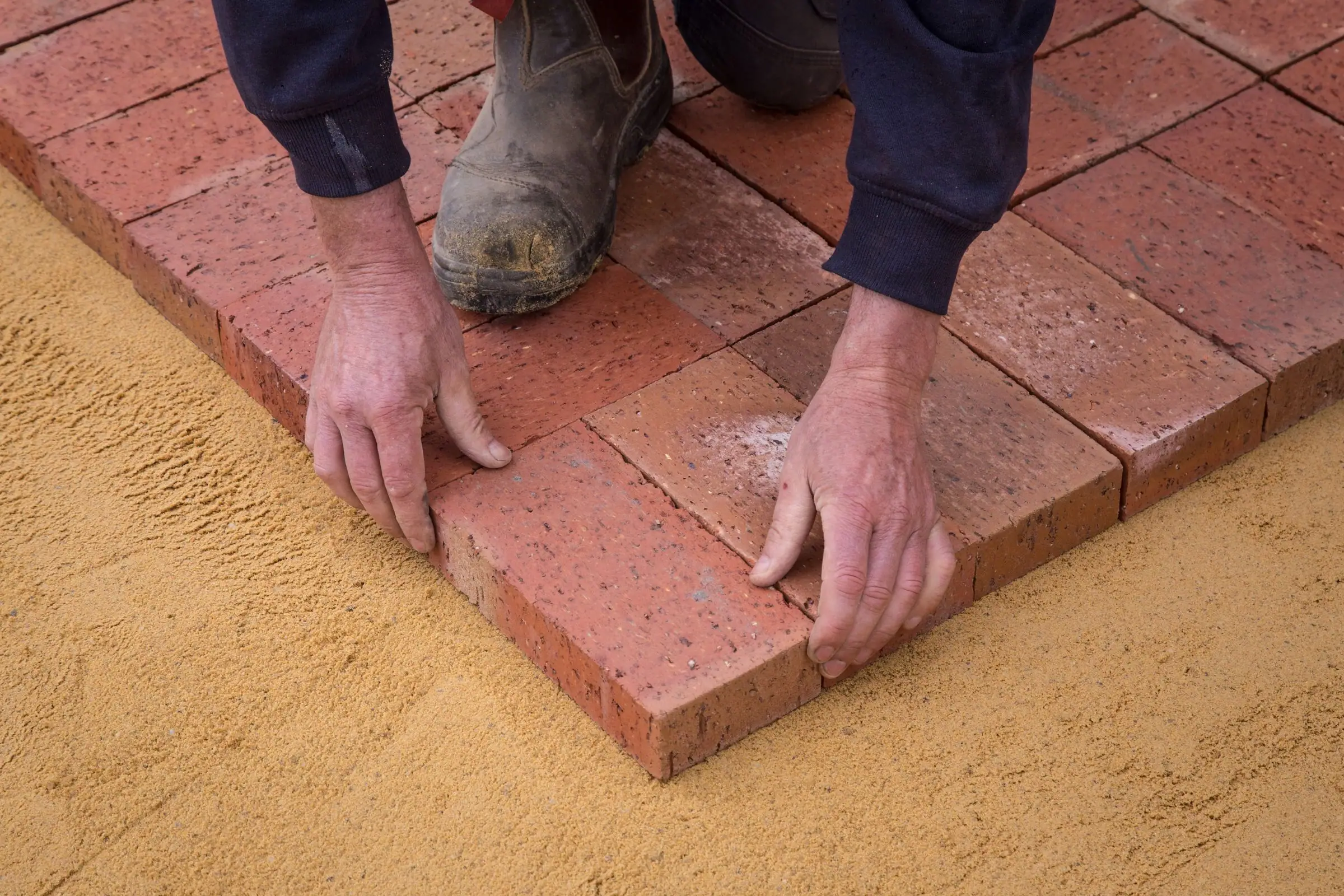
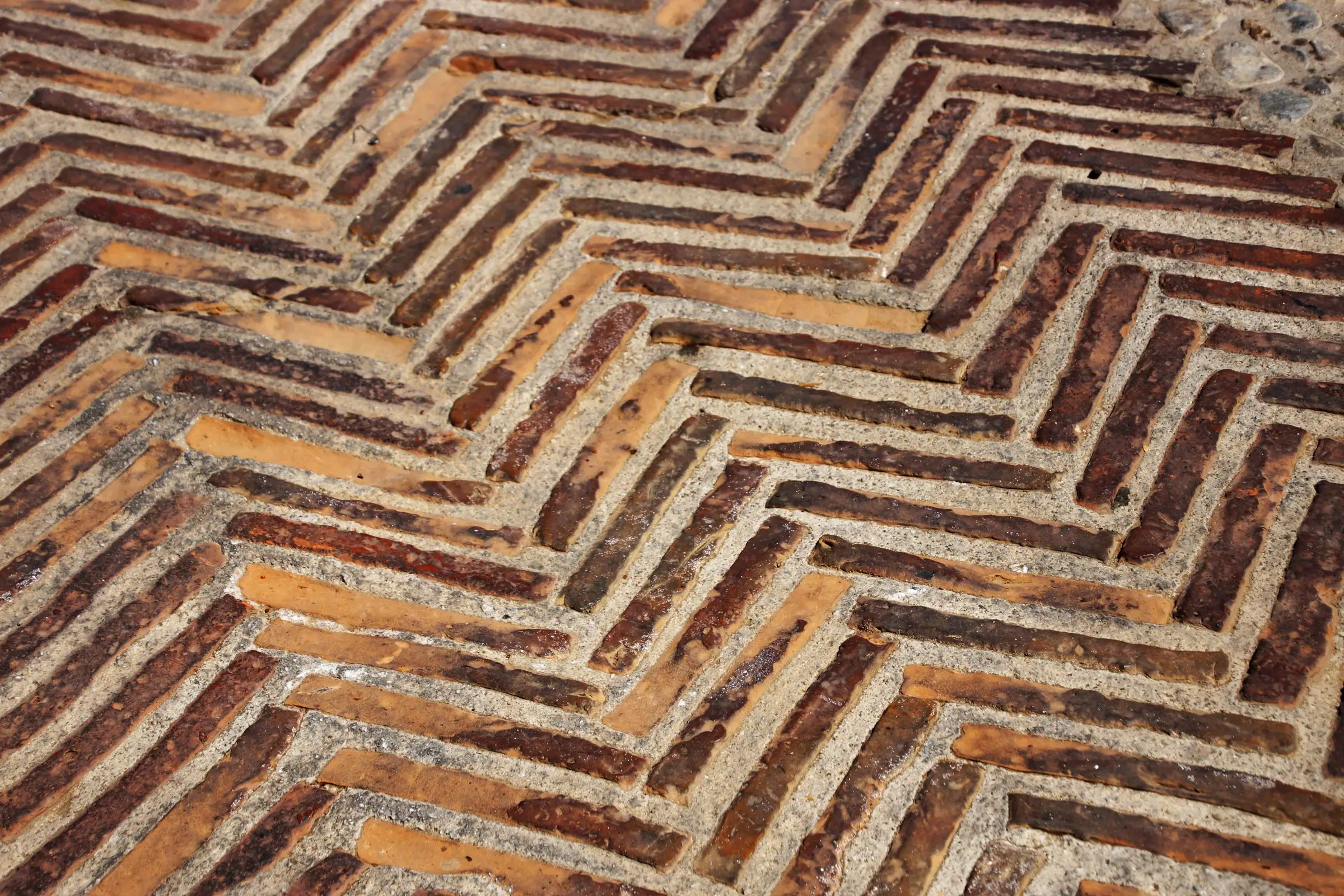
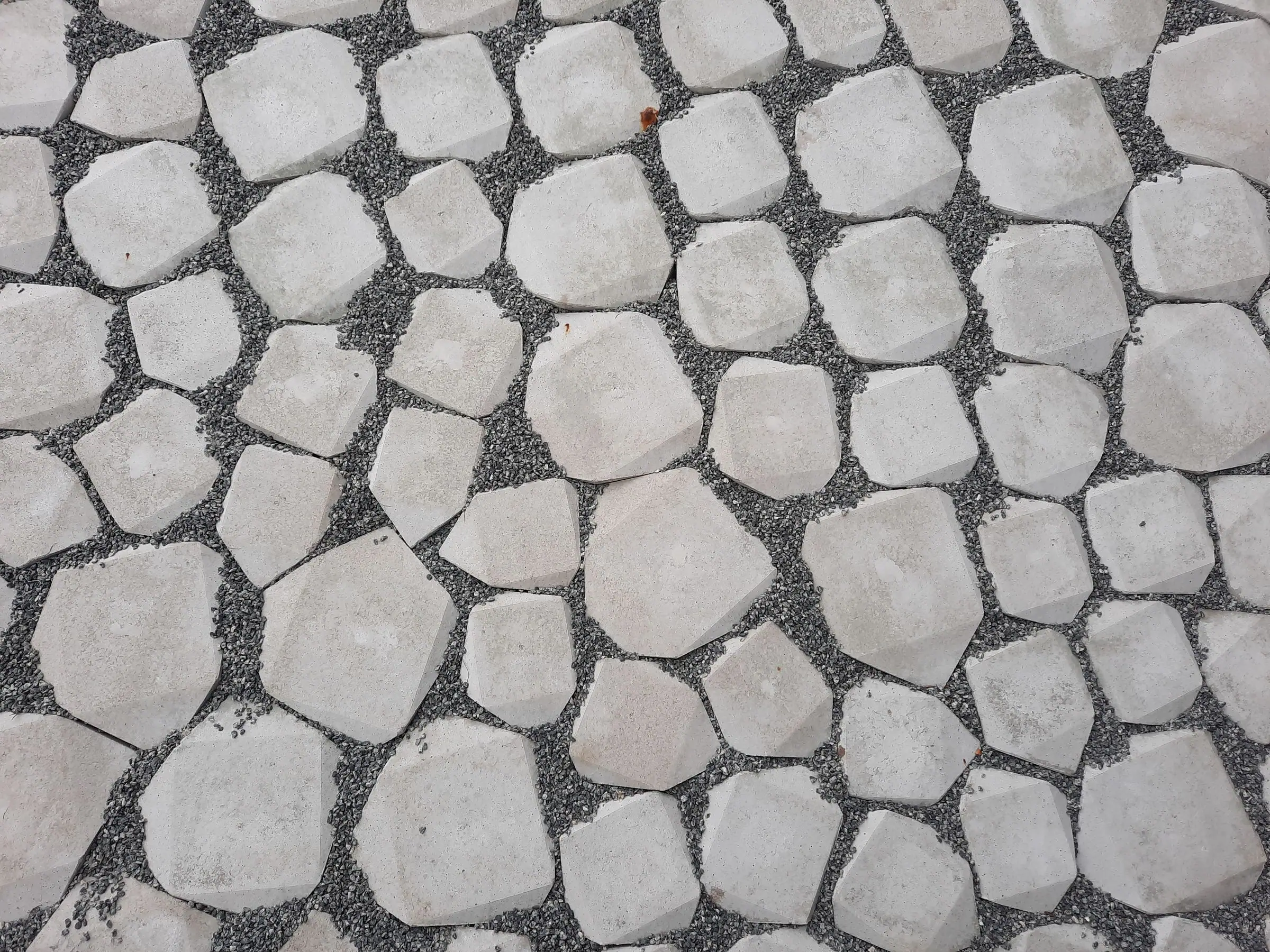
Photos for ideas
Stock photos, not jobs by a matched installer.
Questions about paver repair and leveling
Can sunken pavers be fixed without replacing the whole surface?
In many cases, yes. The affected pavers can be lifted, the base can be fixed, and the pavers can be reset. A full replacement is needed only when the base under a wide area has failed or when the pavers themselves are damaged.
Why do pavers sink in Southwest Florida?
Common causes are soft or wet ground, a thin base, water from a broken irrigation line or a downspout, roots, and failed edge restraint. The installer should identify the cause for your area before resetting pavers.
Will repaired pavers match the old ones?
Color can vary by batch, so new pavers may look different from old ones. Ask the installer whether existing pavers can be reused and whether a color difference is likely.
Should sealing follow a repair?
Sealing after a repair helps hold new joint sand in place, but sealing alone does not fix sinking. Repair should come first, and sealing should follow once the surface is flat.
Will the installer visit before giving a price?
In most cases, yes. A visit lets the installer measure the area, check the slope and the ground, and see access for materials. A price given without a visit should be treated as a rough range, not a final price.
Does Cape Coral Paver Pros set the price?
No. The matched installer sets the price for the job after measuring it. Cape Coral Paver Pros is a referral service, and the request itself is free.
Where we match paver repair and leveling
Related paver services
Get matched for your paver repair project
Tell us about the area and a licensed local installer will call you to set up a visit and a written price. The match is free.
- Call(000) 000-0000
- Text(000) 000-0000
- Cost to youFree match, no obligation
Get a quote
Your request goes to a licensed local installer, who calls you to set up a visit. The match is free.
Request sent
Your request is in. A licensed local installer will call you to set up a visit.
Want to talk now? Call or text (000) 000-0000.