Paver patios for Cape Coral homes
Tell us about the space and we pass it to a licensed local installer who measures, explains the base and drainage, and quotes it in writing. The match is free.
What a paver patio can do
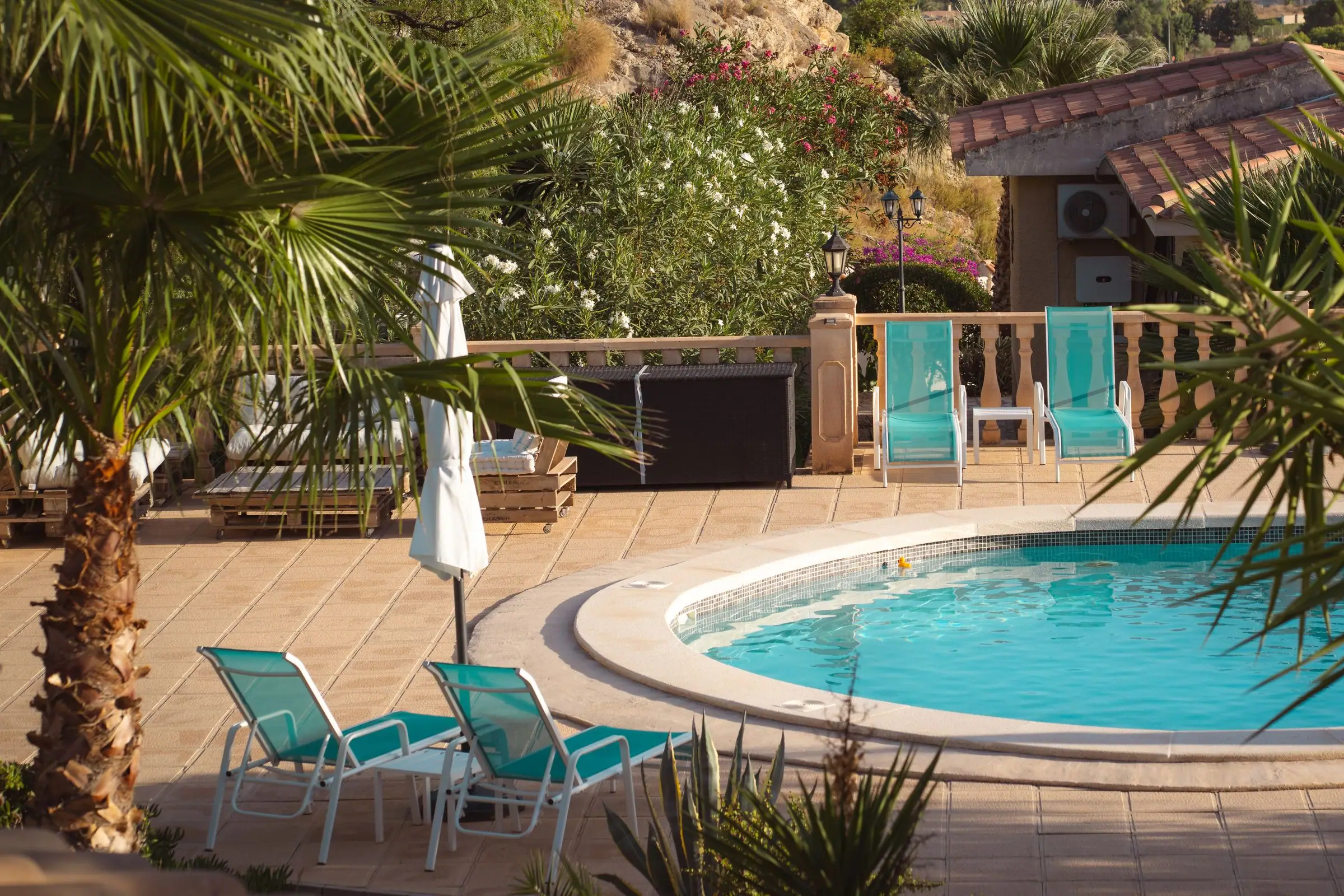
A paver patio turns a patch of grass, a cracked slab, or a small builder patio into an outdoor area that can hold a table, chairs, a grill, and a group of people without sinking into soft ground. The service matches homeowners in Cape Coral with local installers who take patio work, and those installers visit, measure, and price the patio for that lot. The pages here explain what a patio job involves, so you can ask clear questions when an installer visits.
The base decides how long it stays flat
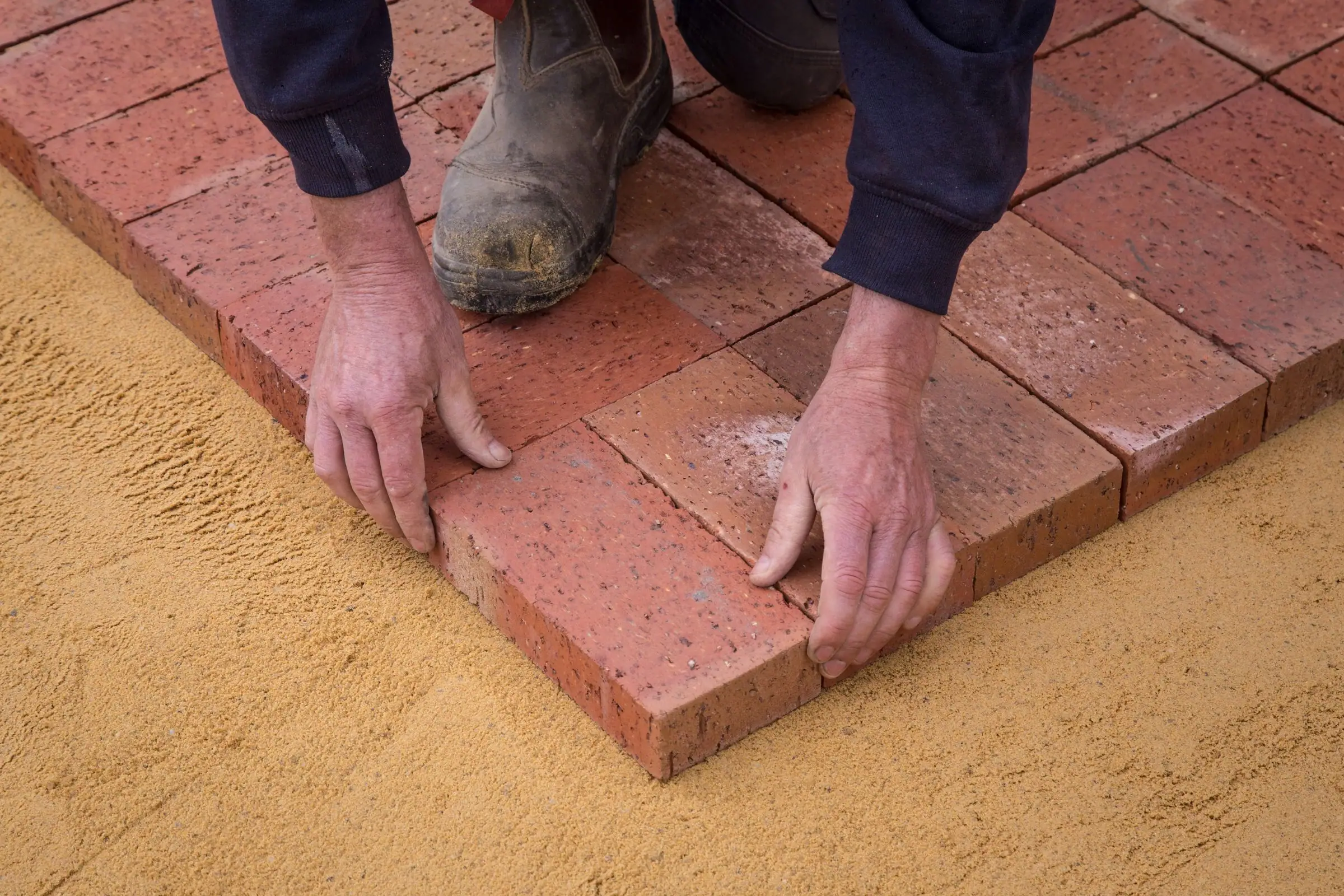
The base is the part of a patio that decides how long it stays flat. Installers excavate the area, lay and compact aggregate, add a bedding layer, set the pavers, and fill the joints with sand. The depth and the type of aggregate matter, and they vary with the ground and with whether vehicles will ever cross the area. A patio that will only carry foot traffic does not need the same base as a driveway, but a patio that sits on soft or wet ground may still need a deeper base than a patio on firm, high ground.
Size and shape drive the price
Size and shape drive the price more than most homeowners expect. A large, simple rectangle is the most economical shape, because cutting is minimal and laying is fast. Curves, circles, steps, and inlays add cutting time and waste, and a patio that wraps around a pool cage or a tree needs more care in layout. A border course in a contrasting color or a larger paver frames the patio and helps hold the edge, but it is also a separate labor item, so ask whether it is included in the price.
Choosing the material
Material choice is about look, feel, and care. Concrete pavers are the common choice and come in many colors and patterns. Travertine gives a natural stone look and stays cooler underfoot, which matters for a patio that gets full afternoon sun. Brick gives a traditional look. Porcelain gives a clean, modern look and resists stains, but the setting method matters because porcelain is thinner than many concrete pavers. The installer can show samples on your ground, in your light, which is far more useful than choosing from a photo alone.
Drainage is part of the plan
Drainage is part of the patio plan, not an afterthought. The surface should slope away from the house and toward a place where water can drain without pooling or running into a neighbor lot. Downspouts, the slope of the yard, and any pool overflow all affect that plan. In a heavy summer storm, joint sand can wash out if the joints are not filled well, so ask how the installer fills and, where agreed, seals the joints. A patio that ponds after rain is a slope problem, not a cleaning problem, and it should be raised before work starts.
What to ask at the visit
When the installer visits, ask for the material, the pattern, the base depth, the edge restraint, the slope plan, and the sealing scope as separate lines in the written price. Ask what demolition and haul away are included if an old slab or an old patio is being removed. Ask how long the job should take and what weather can delay it. Ask what care the finished patio will need in the first year, and what to do if a paver sinks or a joint washes out. Those answers make it possible to compare two bids fairly.
Cape Coral Paver Pros is a referral service, not a contractor. Work is done by independent, licensed local contractors.
Photos for ideas
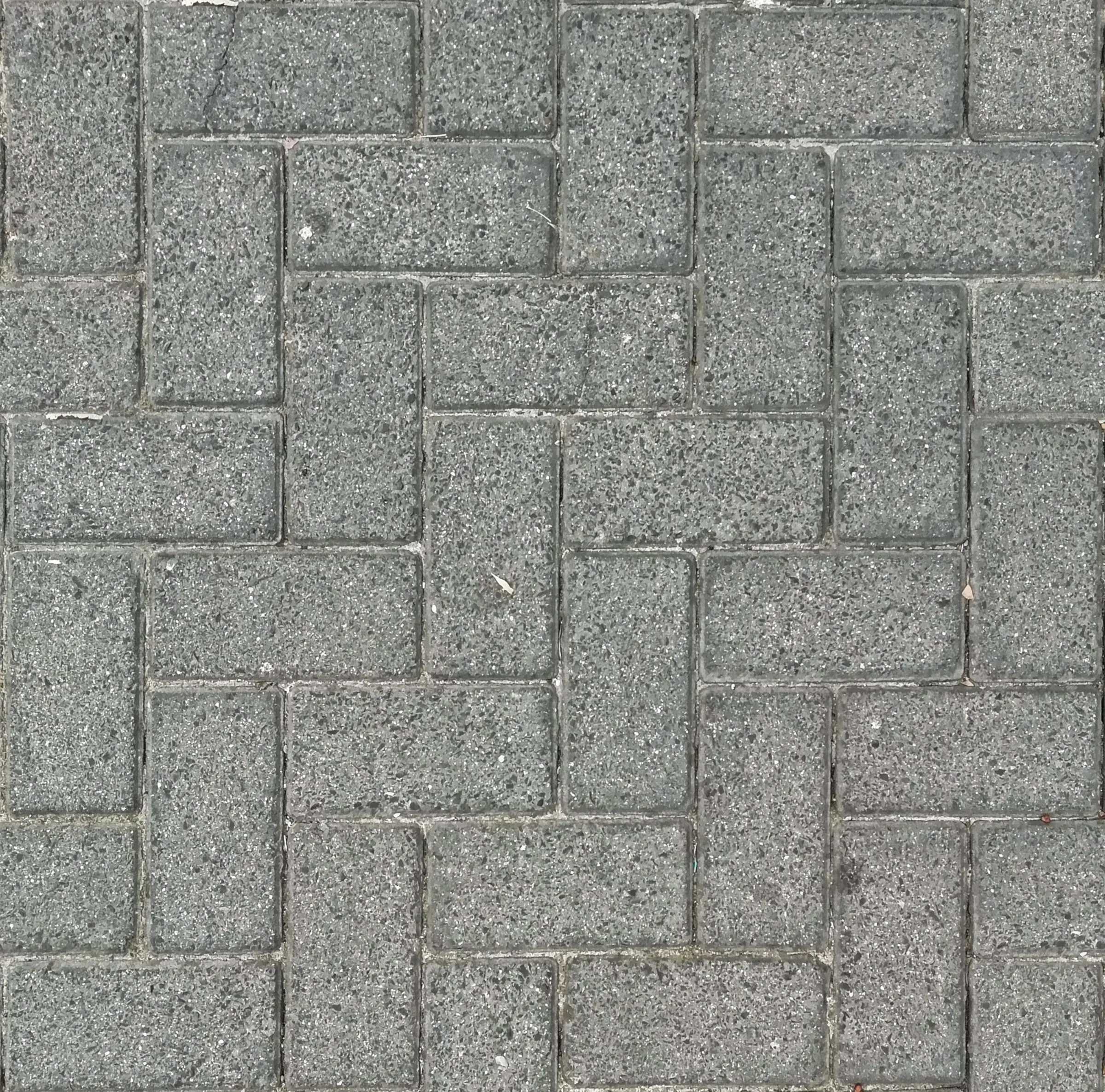
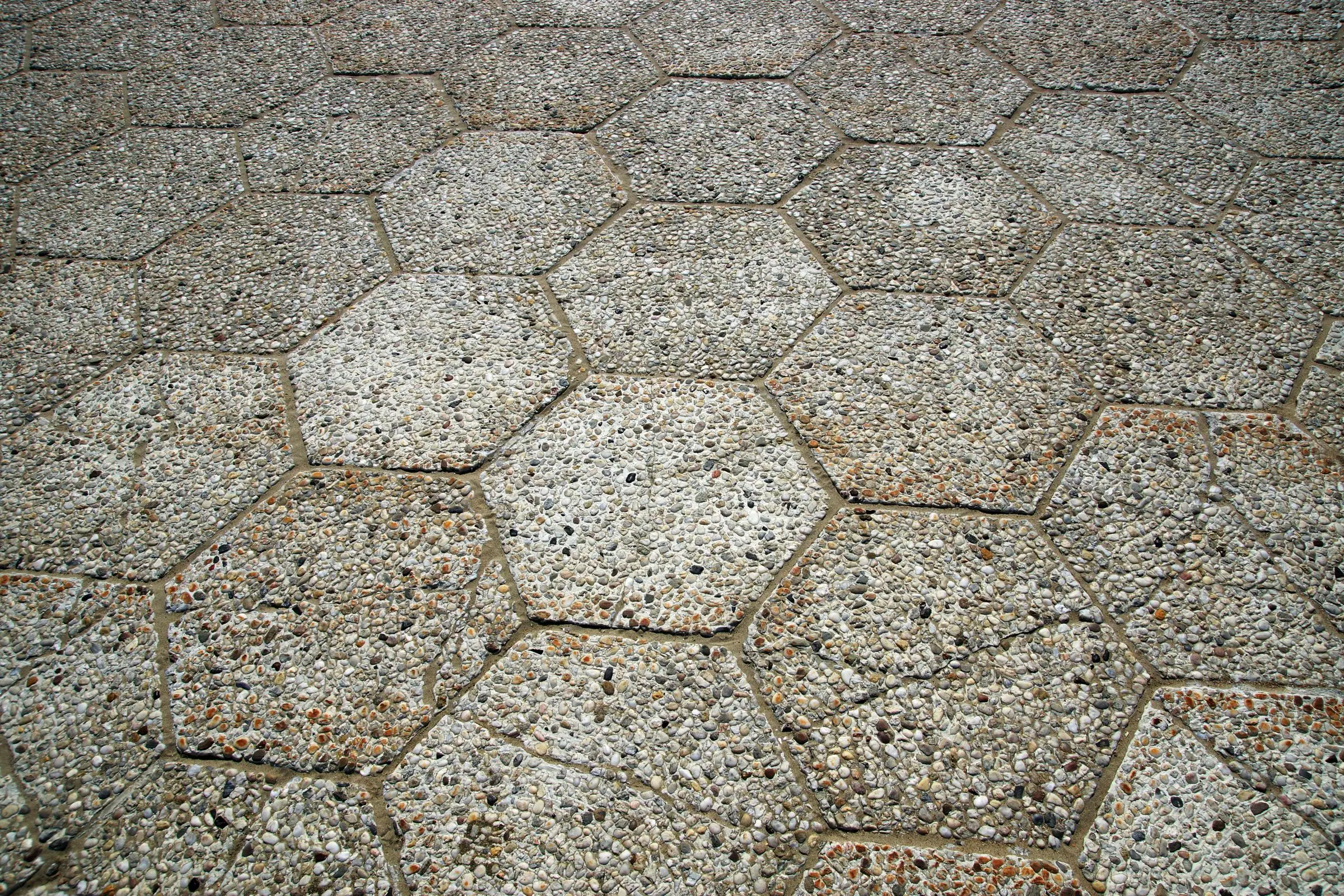
Stock photos, not jobs by a matched installer.
Questions about paver patios
How much does a paver patio cost in Cape Coral?
Published Florida guides put pavers at $12 to $25 or more per square foot installed, with a 400 square foot patio at $4,800 to $10,000 or more. Your price depends on material, size, shape, base work, and demolition. See the cost guide page for sources.
Can a patio be extended instead of replaced?
In many cases, yes, if the existing surface is sound and the base under it is firm. The installer should check the existing base and edge before agreeing to an extension, because a new section on a weak base will settle differently from the old section.
What pattern is best for a patio?
Running bond is simple and economical. Herringbone locks pieces together and is strong. Basket weave gives a woven look. The best pattern depends on the paver size, the shape of the area, and whether vehicles will cross it.
Do patios need sealing?
Sealing is not required for every patio, but it helps hold joint sand in place, resists stains, and deepens color. Ask the installer whether sealing is included in the price or priced separately, and what finish it will give.
Will the installer visit before giving a price?
In most cases, yes. A visit lets the installer measure the area, check the slope and the ground, and see access for materials. A price given without a visit should be treated as a rough range, not a final price.
Does Cape Coral Paver Pros set the price?
No. The matched installer sets the price for the job after measuring it. Cape Coral Paver Pros is a referral service, and the request itself is free.
Where we match paver patios
Related paver services
Get matched for your paver patio project
Tell us about the area and a licensed local installer will call you to set up a visit and a written price. The match is free.
- Call(000) 000-0000
- Text(000) 000-0000
- Cost to youFree match, no obligation
Get a quote
Your request goes to a licensed local installer, who calls you to set up a visit. The match is free.
Request sent
Your request is in. A licensed local installer will call you to set up a visit.
Want to talk now? Call or text (000) 000-0000.